Helping organisations test & optimise complex production
Software Process Simulation (SPS) sits at the intersection of engineering, manufacturing and digital technology, helping organisations test, optimise and validate complex production environments before changes are made in the real world. As Germany continues to invest in smart factories, Industry 4.0 and advanced manufacturing, demand is growing for professionals who can use simulation tools to improve efficiency, reduce risk and accelerate innovation. We work with leading employers across automotive, semiconductor, industrial automation and high-tech manufacturing, connecting specialists with opportunities to shape the next generation of intelligent production systems
Starting your Career in SPS
Expert advice from Associate Director, Kumar Gawri
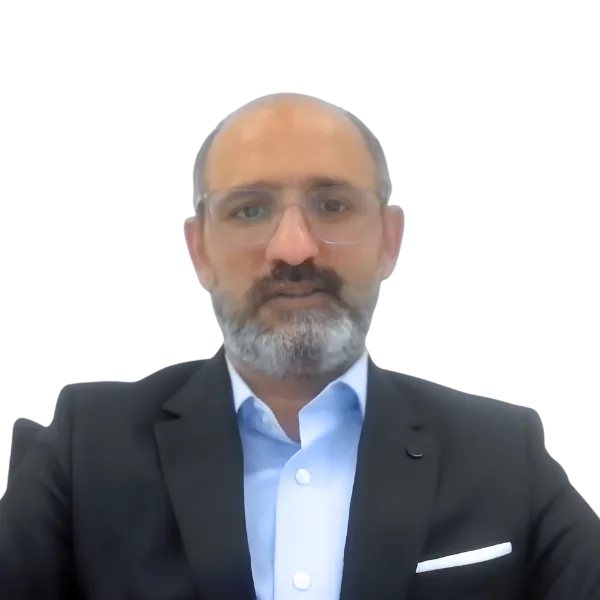
Software process simulation is a multidisciplinary field, which means employers often value practical experience and problem-solving ability as much as a specific academic background. Professionals enter the market from engineering, manufacturing, automation, mathematics and software development disciplines, with the strongest candidates able to combine technical modelling expertise with an understanding of real-world industrial processes.
Process Simulate & Plant Simulation: hands-on experience modelling robotic cells, assembly processes, material flow and factory operations using industry-standard simulation platforms.
Manufacturing & Production Systems: understanding of production processes, throughput analysis, line balancing and industrial workflows.
Automation & Robotics Knowledge: familiarity with robotic systems, automated production equipment and industrial control environments.
Virtual Commissioning: validating automation systems and production concepts in a virtual environment before deployment.
Digital Twin Development: creating and maintaining virtual representations of manufacturing processes and production assets.
Programming & Scripting: using languages such as Python, C++ or simulation-specific scripting tools to customise models and automate workflows.
Data Analysis & Process Optimisation: identifying bottlenecks, improving cycle times and supporting operational decision-making through simulation insights.
Cross-Functional Collaboration: working closely with manufacturing, automation, robotics and engineering teams to ensure simulation outputs are practical and actionable.
In Germany's advanced manufacturing sector, the most sought-after professionals are often those who can connect digital simulation with real-world factory operations. Experience in areas such as virtual commissioning, robotics, digital twins and production optimisation is particularly valuable as organisations continue to invest in Industry 4.0 and smart factory initiatives.
There's no dedicated degree or chartered-status route specifically for software process simulation, and no single professional body sits over the whole field the way it does for some other engineering disciplines. Progression tends to depend on the range of tools and processes you've simulated, and on genuine project outcomes - a simulation that improved a real process - more than on a formal qualification title.
SPS and automation salaries are influenced by a combination of technical expertise, industry experience and project complexity rather than qualifications alone. Many professionals enter the field through vocational training before developing specialist skills in PLC programming, industrial automation, robotics or commissioning, creating multiple routes into a rewarding career.
As engineers progress, salary growth is typically linked to increasing responsibility for system design, complex automation projects and customer-facing delivery. Professionals with experience in advanced manufacturing, robotics, virtual commissioning and Industry 4.0 technologies are often particularly well positioned, while technical leadership and automation management roles can command a significant premium.
One characteristic of the German market is that strong progression opportunities exist on both technical and leadership tracks. Many experienced SPS Programmers and Automation Engineers continue to advance through increasingly specialist engineering positions, while others move into project, team or automation management roles overseeing larger transformation and digitalisation programmes.
| Seniority Level | Typical Permanent Salary |
| Junior / Trainee SPS-Programmierer | €38,000 - €48,000 |
| SPS-Programmierer / Automation Engineer | €48,000 - €58,000 |
| Senior SPS-Programmierer / Senior Automation Engineer | €62,000 - €89,000 |
| Lead Automation Engineer | €78,000 - €100,000 |
| Simulation/ Automation Manager | €80,000 - €130,000 |
Opportunities for SPS Programmers and Automation Engineers can be found across Germany's major manufacturing and industrial hubs, particularly in regions with a strong concentration of automation, robotics and advanced production facilities. Salaries are typically influenced by technical expertise, industry experience and the complexity of the systems being developed, commissioned or maintained. Engineers with experience in areas such as Siemens TIA Portal, Beckhoff TwinCAT, virtual commissioning and Industry 4.0 technologies are often particularly well positioned within the market.
| Region | Typical Permanent Salary |
| Munich & Bavaria | €46,000 - €60,000 |
| Berlin | €50,000 - €73,000 |
| Frankfurt & Rhine-Main | €54,000 - €68,000 |
| Stuttgart & other major hubs | €57,000 - €96,000 |
| Regional Germany | €42,000 - €60,000 |
Freelance SPS Programmers typically command rates of €70-€125 per hour, with the strongest premiums often reserved for specialists in widely adopted industrial control platforms. As manufacturers continue to invest in automation, digitalisation and smart factory initiatives, demand remains strong for engineers who can deliver complex control and automation projects from concept through to commissioning.
Microsoft runs a structured certification path for Dynamics 365, starting with foundational certifications and moving into role-specific ones for functional and technical consultants. It's a genuine, recognised credential in this field, though the specific certifications on offer do change over time, so it's worth checking Microsoft's own current list rather than relying on older guidance. A certification is a strong addition to a CV, particularly early in a career, but real project experience still tends to carry more weight once you're a few years in.
Progressing your SPS Career
Expert advice from CEO, Jonathan Ellerbeck

Software process simulation offers a well-defined progression path, with opportunities to develop deep technical expertise or move into broader automation, digital manufacturing and engineering leadership roles. As projects become more complex, progression is typically driven by a combination of simulation knowledge, manufacturing expertise and the ability to influence business-critical decisions.
- Junior to Process Simulation Engineer: building experience with simulation platforms, production data and manufacturing processes while supporting larger projects.
- Process Simulation Engineer to Senior Engineer: taking ownership of complex simulation models, optimisation initiatives and virtual validation activities with greater independence.
- Senior to Lead Simulation Engineer: defining simulation approaches, guiding project delivery and mentoring less experienced engineers across multidisciplinary teams.
- Technical track: progressing into Principal Simulation Engineer, Digital Manufacturing Specialist or Simulation Architect roles focused on advanced modelling, digital twins and manufacturing strategy.
- Leadership track: moving into Simulation Manager, Engineering Manager or digital transformation leadership positions with responsibility for teams, projects and business outcomes.
- Adjacent opportunities: leveraging simulation expertise to move into Virtual Commissioning, Digital Twin Engineering, Automation Engineering or broader Industry 4.0 and smart manufacturing roles.
As Germany's manufacturing sector continues to invest in digital factories, automation and production optimisation, professionals who combine simulation expertise with robotics, virtual commissioning and industrial engineering knowledge are often best positioned for senior and specialist opportunities.
Software process simulation is most commonly used in industries where complex manufacturing, automation and production systems need to be tested, optimised and validated before implementation. As Germany continues to invest in smart factories, robotics and digital manufacturing, simulation expertise is becoming increasingly valuable across a growing range of sectors.
- Automotive & Industrial Automation: modelling robotic work cells, assembly processes and production lines to improve efficiency, throughput and system performance.
- Semiconductor Manufacturing: supporting the design, optimisation and validation of highly complex fabrication and production processes.
- Advanced Manufacturing: using simulation to improve factory layouts, material flow, capacity planning and operational efficiency.
- Infrastructure & Energy: modelling large-scale systems to support planning, performance analysis and operational decision-making.
- Research & Innovation: developing and testing new production concepts, technologies and engineering approaches before real-world deployment.
- Engineering Consultancies & Technology Providers: delivering simulation, digital twin and virtual commissioning projects across multiple industries.
Artificial intelligence and mathematical optimisation techniques are starting to support process simulation directly, searching through far more scenario combinations than an engineer could realistically test by hand and flagging the most promising ones for closer review. Alongside this, game engines such as Unreal Engine are increasingly used for high-fidelity visualisation of a simulation or a digital twin, particularly where a stakeholder needs to see and understand a result rather than just read a data output.
SPS and automation engineering remains one of the more resilient specialisms within Germany's engineering market. While parts of the wider manufacturing and automation sector continue to face economic and competitive pressures, investment in automation, digitalisation and Industry 4.0 initiatives remains a priority for many organisations looking to improve productivity and maintain competitiveness.
As a result, demand for experienced SPS Programmers and Automation Engineers continues to outpace the supply of qualified talent. The skill profile is evolving too. Alongside traditional PLC programming, employers are increasingly looking for professionals who can work across automation, IT and software integration. Experience with areas such as Python, SQL, cloud connectivity, industrial networking and digital manufacturing technologies can be a significant differentiator, particularly for candidates targeting senior, specialist or leadership positions.
For professionals in the market, the outlook remains positive. As manufacturers continue to modernise production environments and invest in smarter, more connected operations, automation expertise remains a critical capability and a strong foundation for long-term career growth.
Software process simulation is one of the more remote-friendly disciplines within engineering, since most of the actual work - building and running a model - happens on a computer rather than in front of physical equipment. Hybrid arrangements are common, and fully remote roles do exist, particularly for simulation work that's largely software-based from the outset.
That said, some stages of a project still benefit from being on-site: collecting accurate real-world data to build the model from, and validating a finished simulation against how the real process actually behaves, are both easier to do in person, particularly early in a project.
What our candidates say
A very professional team that quickly delivers suitable candidates. Communication is transparent and reliable - highly recommended!
Technology Client
A very professional team that quickly delivers suitable candidates. Communication is transparent and reliable - highly recommended!
Candidates Technology Client